
Effective Iron Stain Cleaning Solutions: Tips for Iron Oxide Stain Removal

Iron oxide stains are a common challenge, especially in areas where groundwater contains high iron content. These stains can appear on various surfaces, including concrete, fabrics, and even household fixtures. Having dealt with numerous cases of iron staining, I understand how frustrating it can be to remove these stubborn marks. In this post, I will share practical, professional tips and proven methods to tackle iron oxide stains effectively.
Understanding Iron Stain Cleaning Solutions
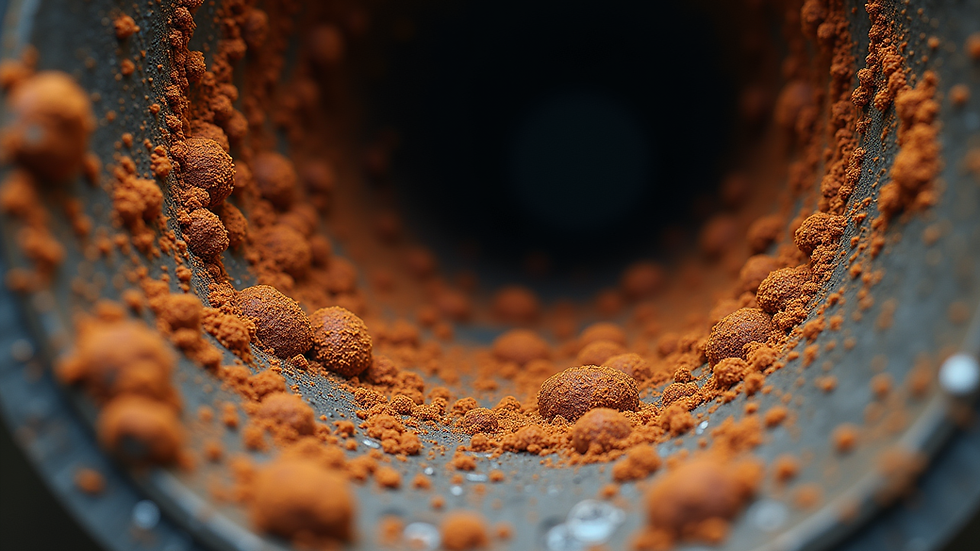
Iron stains are caused by the oxidation of iron particles, which results in reddish-brown discoloration. These stains are particularly prevalent in regions like Perth, Sydney, and Melbourne, where groundwater often contains iron. The first step in managing these stains is understanding the nature of the problem and selecting the right cleaning solution.
There are several types of iron stain cleaning solutions available, ranging from commercial chemical cleaners to natural remedies. The choice depends on the surface affected and the severity of the stain. For example:
Acid-based cleaners: These are effective on concrete and masonry but must be used with caution to avoid surface damage.
Chelating agents: These bind to iron particles and help lift stains from fabrics and porous surfaces.
Oxidizing agents: These break down iron compounds and are useful for deep-set stains.
When selecting a product, always check the label for suitability on your specific surface and follow safety instructions carefully.

Practical Tips for Removing Iron Oxide Stains
Removing iron oxide stains requires a combination of the right product and technique. Here are some actionable tips I have found effective:
Act Quickly: The sooner you address the stain, the easier it is to remove. Fresh stains have not fully bonded with the surface.
Pre-clean the Area: Remove dirt and debris before applying any cleaning solution. This prevents interference with the stain removal process.
Test in a Small Area: Always test your chosen cleaner on a small, inconspicuous spot to ensure it does not damage or discolor the surface.
Use Appropriate Tools: Soft brushes or cloths work well on delicate surfaces, while stiff brushes can be used on concrete or stone.
Rinse Thoroughly: After treatment, rinse the area with clean water to remove any residue that could cause further staining.
For persistent stains, multiple treatments may be necessary. Patience and consistency are key.
Does Vinegar Remove Iron Oxide?
A common question I encounter is whether vinegar can remove iron oxide stains. Vinegar, being acidic, can sometimes help dissolve iron deposits, but its effectiveness is limited.
Vinegar works best on light, surface-level stains and is a safe, natural option for fabrics and small household items. To use vinegar:
Soak the stained area in white vinegar for 30 minutes.
Gently scrub with a soft brush.
Rinse thoroughly with water.
However, for heavy or old stains, vinegar alone is unlikely to be sufficient. In such cases, stronger iron stain cleaning solutions or professional-grade products are recommended.

Choosing the Right Iron Oxide Stain Remover
When natural remedies fall short, an effective iron oxide stain remover can make a significant difference. These products are specifically formulated to target iron oxide and break down the stain molecules without damaging the surface.
Here are some factors to consider when selecting an iron oxide stain remover:
Surface Compatibility: Ensure the product is safe for your material, whether it’s concrete, fabric, or metal.
Environmental Impact: Opt for eco-friendly options when possible, especially if you are treating outdoor areas.
Ease of Use: Some removers require dilution or special application methods; choose one that fits your comfort level.
Effectiveness: Look for products with proven results and positive reviews.
Using a professional-grade iron oxide stain remover can save time and effort, especially for stubborn or widespread stains.
Preventing Future Iron Stains
Prevention is always better than cure. After successfully removing iron oxide stains, consider these strategies to reduce the risk of recurrence:
Water Treatment: Installing filtration systems or water softeners can reduce iron content in bore water.
Regular Maintenance: Clean surfaces regularly to prevent iron buildup.
Protective Coatings: Applying sealants on concrete or stone surfaces can create a barrier against stains.
Proper Drainage: Ensure water does not pool around vulnerable areas, as standing water can increase staining.
By implementing these measures, you can maintain cleaner surfaces and reduce the need for frequent stain removal.
Final Thoughts on Managing Iron Oxide Stains
Iron oxide stains are a persistent issue, but with the right knowledge and tools, they can be effectively managed. Whether you are dealing with bore water staining or iron deposits on household surfaces, understanding the chemistry behind the stains and using appropriate cleaning solutions is essential.
Remember to act promptly, choose the right products, and take preventive steps to protect your property. With these tips, you can confidently tackle iron oxide stains and maintain a clean, stain-free environment.
If you want to explore professional-grade options, consider trying an iron oxide stain remover designed specifically for tough iron stains. It could be the solution you need for long-lasting results.


Comments