
Effective Strategies for Eliminating Iron Bacteria from Water Systems
- David Bennett
- Feb 16
- 3 min read

Iron bacteria are a common challenge in many water systems, especially those relying on groundwater sources. These microorganisms thrive in environments rich in iron and manganese, causing staining, unpleasant odours, and clogging in pipes and pumps. Having worked extensively with water systems in Perth, Sydney, and Melbourne, I understand the frustration and operational issues iron bacteria can cause. In this post, I will share practical, proven methods for eliminating iron bacteria from water systems, helping you maintain clean, efficient water supplies.
Understanding the Challenge of Eliminating Iron Bacteria
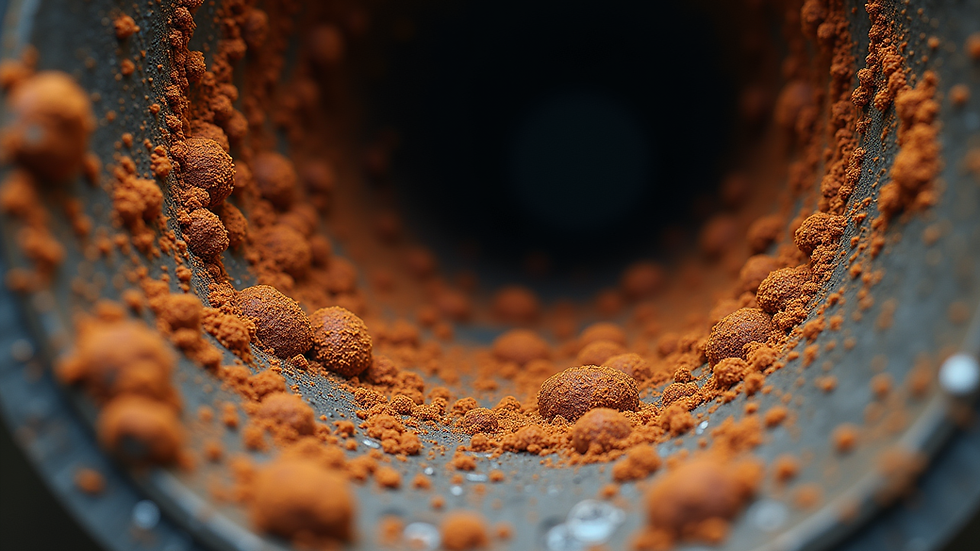
Iron bacteria are naturally occurring microorganisms that feed on dissolved iron in water. When they metabolise iron, they produce a slimy, rust-coloured biofilm that adheres to surfaces within your water system. This biofilm can cause:
Staining on laundry, fixtures, and plumbing
Foul odours resembling rotten eggs or sewage
Reduced water flow due to pipe clogging
Damage to pumps and filtration systems
The bacteria are not harmful to health but can severely impact water quality and system performance. The key to managing this issue is understanding where iron bacteria thrive and how to disrupt their growth effectively.

Proven Techniques for Eliminating Iron Bacteria
Eliminating iron bacteria requires a combination of mechanical cleaning, chemical treatment, and ongoing maintenance. Here are the most effective strategies I recommend:
1. Mechanical Cleaning and Flushing
Start by physically removing the biofilm and deposits from your system. This involves:
Flushing pipes and tanks with high-pressure water to dislodge slime and sediment
Scrubbing accessible surfaces to remove stubborn biofilm
Cleaning or replacing filters and screens that trap iron bacteria
Mechanical cleaning reduces the bacterial load and prepares the system for chemical treatment.
2. Chemical Disinfection
Chemical treatment is essential to kill iron bacteria and prevent regrowth. Common disinfectants include:
Chlorine: A strong oxidiser that effectively kills bacteria and oxidises iron. Use chlorine solutions or shock chlorination for wells and tanks.
Hydrogen peroxide: An alternative oxidiser that breaks down biofilms and is less corrosive.
Potassium permanganate: Useful for oxidising iron and manganese, often used in combination with filtration.
When applying chemicals, ensure proper dosage and contact time. For example, shock chlorination involves adding a high concentration of chlorine to the well or system, allowing it to sit for several hours, then flushing thoroughly.
3. System Modifications to Prevent Recurrence
After treatment, consider modifications to reduce iron bacteria growth:
Improve aeration: Introducing oxygen can help oxidise iron before bacteria consume it.
Install filtration systems: Sand filters or manganese greensand filters remove iron particles and reduce nutrients for bacteria.
Maintain water flow: Stagnant water encourages bacterial growth, so keep water moving regularly.
These steps help create an environment less hospitable to iron bacteria.

Monitoring and Maintenance for Long-Term Control
Eliminating iron bacteria is not a one-time task. Regular monitoring and maintenance are critical to keep your water system free from contamination.
Regular water testing: Check iron levels, bacterial counts, and water clarity monthly or quarterly.
Routine cleaning: Schedule periodic flushing and chemical treatments based on test results.
Inspect equipment: Pumps, filters, and pipes should be checked for signs of biofilm or corrosion.
Record keeping: Maintain logs of treatments, water quality, and maintenance activities to track trends and effectiveness.
By staying proactive, you can prevent iron bacteria from re-establishing and avoid costly repairs.
Practical Tips for Bore Owners in Western Australia
For bore owners in Western Australia, iron bacteria often cause staining and clogging issues due to the region’s iron-rich groundwater. Here are some tailored recommendations:
Use shock chlorination annually to disinfect your bore and pipes.
Install a manganese greensand filter to remove iron and manganese before water enters your home.
Avoid long periods of inactivity in your bore system to prevent bacterial growth.
Consult local water treatment professionals for customised solutions based on your bore’s water chemistry.
These practical steps will help you maintain clear, odour-free water and protect your bore infrastructure.
Enhancing Water System Performance by Eliminating Iron Bacteria
Addressing iron bacteria is essential for maintaining efficient water systems. By combining mechanical cleaning, chemical disinfection, and preventive measures, you can significantly reduce the impact of these microorganisms. For those seeking detailed guidance on iron bacteria removal, professional consultation and tailored treatment plans are invaluable.
Implementing these strategies will not only improve water quality but also extend the lifespan of your pumps, pipes, and filtration equipment. Regular monitoring and maintenance ensure your system remains free from iron bacteria, providing reliable water supply for years to come.


Comments