
Effective Strategies for Iron Bacteria Treatment
- David Bennett
- 23 hours ago
- 4 min read

Iron bacteria are a common challenge in groundwater systems, especially in regions like Perth, Sydney, and Melbourne where bore water is widely used. These bacteria thrive in iron-rich environments and can cause significant problems such as staining, clogging, and unpleasant odours. Over the years, I have developed and refined effective strategies for iron bacteria treatment that help maintain water quality and system efficiency. In this post, I will share practical insights and actionable recommendations to tackle iron bacteria issues effectively.
Understanding Iron Bacteria Treatment: Why It Matters
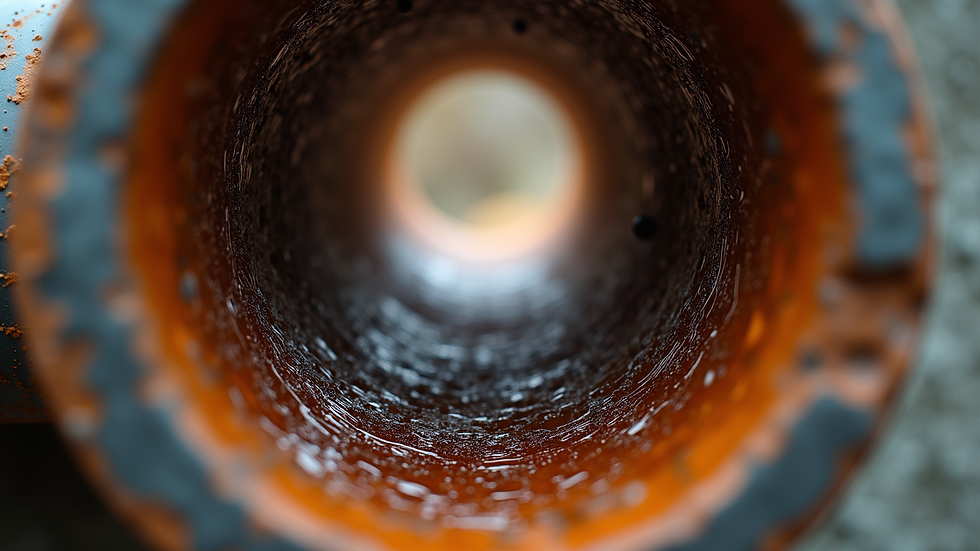
Iron bacteria are naturally occurring microorganisms that feed on dissolved iron in water. When they metabolise iron, they produce a slimy, rust-coloured biofilm that can coat pipes, pumps, and bore walls. This biofilm not only causes aesthetic problems like staining on laundry and fixtures but also reduces water flow and damages equipment.
In groundwater management, especially for bore owners in Western Australia, iron bacteria treatment is essential to prevent these issues. Ignoring iron bacteria can lead to costly repairs and water quality degradation. The key to successful treatment lies in early detection and consistent maintenance.
Common Signs of Iron Bacteria Infestation
Reddish-brown slime in water tanks or pipes
Musty or swampy odour in water
Reduced water flow or pressure
Staining on laundry, fixtures, and appliances
By recognising these signs early, you can implement treatment strategies before the problem escalates.
Proven Iron Bacteria Treatment Methods
Over the years, I have found that a combination of physical, chemical, and mechanical methods works best for iron bacteria treatment. Here are some of the most effective approaches:
1. Shock Chlorination
Shock chlorination involves injecting a high concentration of chlorine into the bore and water system to kill iron bacteria. This method is widely used because it is effective and relatively inexpensive.
How to perform shock chlorination:
Calculate the volume of water in your bore and pipes.
Mix chlorine bleach to achieve a concentration of 50-100 mg/L.
Pump the chlorine solution into the bore and circulate it through the system.
Let it sit for 12-24 hours.
Flush the system thoroughly until chlorine smell disappears.
This method kills bacteria and helps break down the biofilm, but it may need to be repeated periodically.
2. Mechanical Cleaning
Mechanical cleaning involves physically removing the biofilm and slime from the bore walls and pipes. This can be done using:
Bore brushing: Using specialized brushes to scrub the bore casing.
Jetting: High-pressure water jets to dislodge biofilm.
Pigging: Sending a foam or rubber pig through pipes to scrape off deposits.
Mechanical cleaning is often combined with chemical treatments for best results.
3. Continuous Chlorination
For ongoing control, continuous low-level chlorination can prevent iron bacteria regrowth. This involves dosing small amounts of chlorine regularly to maintain a residual disinfectant level.
4. Alternative Disinfectants
In some cases, alternative disinfectants like hydrogen peroxide or potassium permanganate are used. These oxidising agents can be effective but require careful handling and dosing.
5. Filtration and Water Treatment Systems
Installing filtration systems such as sand filters or manganese greensand filters can help remove iron and manganese, reducing the food source for iron bacteria.

What gets rid of iron bacteria?
Removing iron bacteria completely requires a multi-step approach. Here’s what I recommend based on experience:
Identify the extent of contamination: Conduct water testing to measure iron levels and bacterial presence.
Apply shock chlorination: This is the first step to kill active bacteria.
Perform mechanical cleaning: Remove biofilm physically to prevent re-colonisation.
Install ongoing treatment: Use continuous chlorination or alternative disinfectants to keep bacteria at bay.
Maintain filtration systems: Regularly clean and replace filter media to ensure effectiveness.
Monitor water quality: Regular testing helps detect any resurgence early.
By combining these steps, you can effectively get rid of iron bacteria and maintain a healthy water system.
Practical Tips for Bore Owners and Groundwater Professionals
From my work with bore owners and groundwater management professionals, I have gathered some practical tips that make iron bacteria treatment more manageable:
Schedule regular maintenance: Don’t wait for problems to appear. Regular inspection and cleaning prevent severe infestations.
Use professional services for mechanical cleaning: Bore brushing and jetting require specialised equipment and expertise.
Avoid overuse of chlorine: Excessive chlorine can damage bore infrastructure and affect water taste.
Keep records: Document treatment dates, methods used, and water test results to track progress.
Educate users: Inform household members or site workers about signs of iron bacteria and the importance of treatment.
These tips help ensure long-term success in managing iron bacteria.
Long-Term Management and Prevention Strategies
Iron bacteria treatment is not a one-time fix. Long-term management involves:
Water system design: Use materials resistant to biofilm formation and design for easy cleaning.
Water chemistry control: Adjust pH and oxygen levels to reduce iron solubility and bacterial growth.
Regular monitoring: Implement a water quality monitoring program with periodic testing for iron and bacteria.
Integrated approach: Combine physical, chemical, and operational strategies tailored to your specific water system.
By adopting a comprehensive management plan, you can minimise the impact of iron bacteria and protect your water resources.
If you are dealing with iron bacteria issues, consider these effective strategies for iron bacteria removal to restore water quality and system performance. With the right approach, you can keep your bore water clean, clear, and safe for use.


Comments