
Iron Stain Cleaning Guide: Cleaning Stubborn Iron Oxide Stains

Iron oxide stains are a common and persistent problem, especially for those dealing with groundwater or bore water in regions like Perth, Sydney, and Melbourne. These reddish-brown marks can appear on various surfaces, from concrete and stone to fabrics and plumbing fixtures. Having worked extensively with bore water management and household maintenance, I understand how frustrating these stains can be. In this guide, I will share practical, effective methods to tackle stubborn iron oxide stains and restore your surfaces to their original condition.
Understanding Iron Oxide Stains and Their Causes
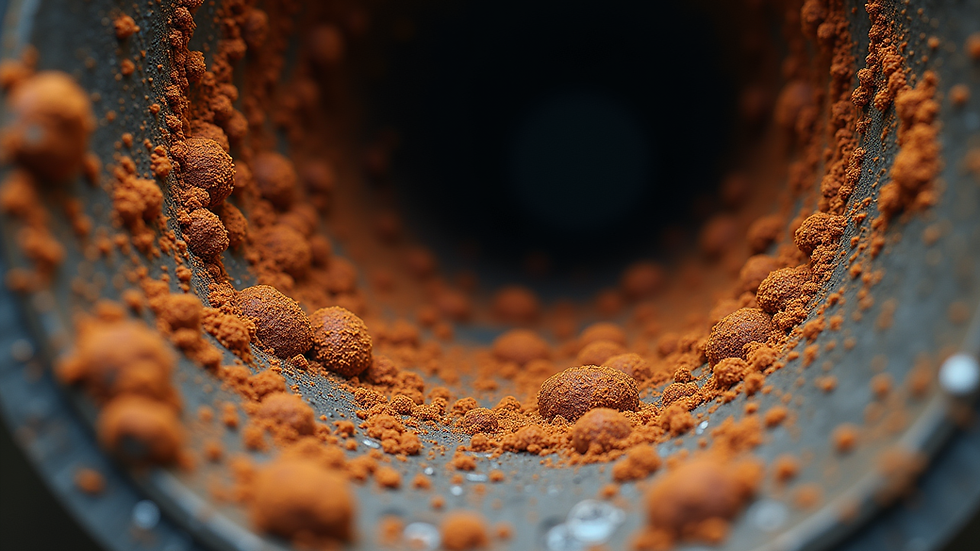
Iron oxide stains are caused by the oxidation of iron particles present in water, soil, or metal surfaces. When iron-rich water comes into contact with air, it reacts and forms rust-like deposits. This is especially common in areas with bore water, where iron content is naturally higher.
These stains are not only unsightly but can also damage surfaces over time if left untreated. For example, iron oxide can penetrate porous materials like concrete and stone, making removal more challenging. Understanding the nature of these stains helps in selecting the right cleaning approach.
Common Surfaces Affected by Iron Oxide Stains
Concrete driveways and patios
Stone tiles and pavers
Laundry fabrics and clothing
Plumbing fixtures and pipes
Bathroom tiles and sinks
Knowing the surface type is crucial because some cleaning agents may damage delicate materials. Always test a small, inconspicuous area before applying any treatment broadly.

Iron Stain Cleaning Guide: Step-by-Step Methods for Effective Removal
Removing iron oxide stains requires patience and the right products. Here are some proven methods I recommend, based on years of experience working with bore water and groundwater management.
1. Mechanical Cleaning
For fresh or surface-level stains, start with mechanical cleaning:
Scrubbing: Use a stiff brush or scrubbing pad to loosen the rust particles.
Pressure Washing: For outdoor surfaces like driveways, a pressure washer can help remove surface stains effectively.
Mechanical cleaning alone may not remove deep-set stains but is a good first step.
2. Chemical Treatments
Chemical cleaners designed specifically for iron oxide stains are often necessary for stubborn marks. These products contain acids or chelating agents that dissolve rust without damaging the surface.
Oxalic Acid: Commonly used for rust removal on concrete and stone.
Phosphoric Acid: Converts rust into a water-soluble compound.
Chelating Agents: Bind iron particles and lift them from the surface.
When using chemicals, always follow safety instructions, wear gloves, and ensure proper ventilation.
3. Natural Remedies
For those preferring eco-friendly options, some natural substances can help:
Lemon Juice and Salt: The acidity of lemon juice combined with abrasive salt can break down rust stains.
White Vinegar: Soaking the stained area or applying vinegar can help dissolve iron oxide.
These methods are gentler but may require repeated applications for tough stains.

Choosing the Right Iron Oxide Stain Remover
Selecting an effective iron oxide stain remover is key to successful cleaning. I recommend looking for products that are specifically formulated for iron oxide and safe for your surface type. For example, a high-quality iron oxide stain remover can simplify the process and provide reliable results.
When choosing a product, consider:
Surface compatibility
Environmental safety
Ease of application
Manufacturer instructions and reviews
Using the right remover reduces the risk of damage and saves time.
Preventing Future Iron Oxide Stains
Prevention is always better than cure. Here are some strategies to minimise iron oxide staining, especially for bore water users:
Water Treatment: Installing iron filters or water softeners can reduce iron content in bore water.
Regular Cleaning: Frequent washing of surfaces exposed to iron-rich water prevents buildup.
Sealing Surfaces: Applying sealants to porous materials like concrete and stone creates a barrier against stains.
Proper Drainage: Ensuring water does not pool on surfaces reduces oxidation chances.
Implementing these measures can significantly reduce the frequency and severity of iron oxide stains.
Practical Tips for Homeowners and Groundwater Professionals
Whether you manage groundwater systems or maintain a home with bore water, these tips will help you handle iron oxide stains effectively:
Always identify the stain type before treatment.
Use protective gear when handling chemicals.
Test cleaning methods on small areas first.
Combine mechanical and chemical methods for best results.
Maintain water treatment systems regularly to control iron levels.
By following these guidelines, you can keep your property looking clean and well-maintained despite the challenges posed by iron oxide.
Iron oxide stains can be stubborn, but with the right knowledge and tools, they are manageable. I hope this iron stain cleaning guide provides you with the confidence and practical steps needed to tackle these common issues effectively. Remember, persistence and proper care are key to maintaining clean, stain-free surfaces in areas affected by iron-rich water.


Comments