
Mastering Borehole Maintenance Techniques for Clear Water

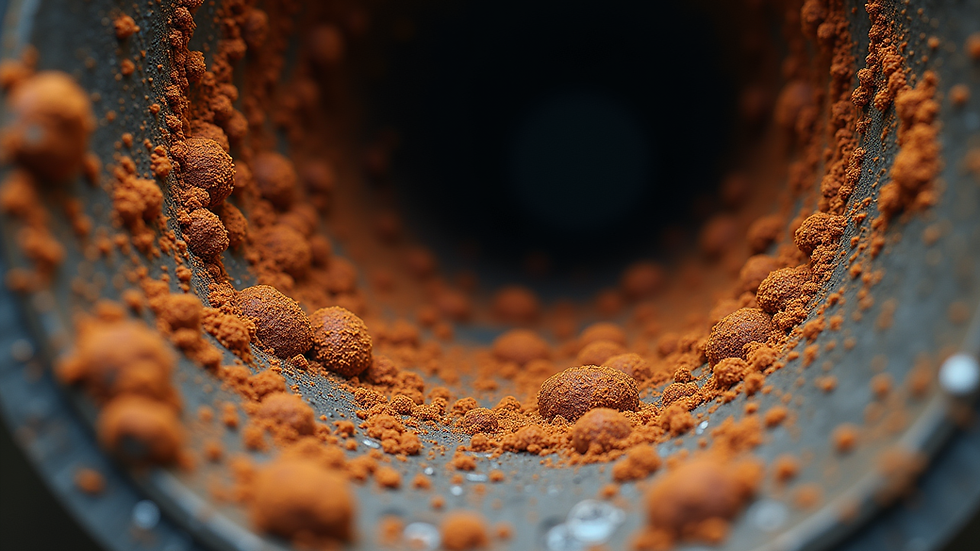
Ensuring the quality and clarity of water from a borehole is a critical task that requires a deep understanding of borehole maintenance techniques. Over time, boreholes can accumulate sediments, biofilms, and mineral deposits that reduce water flow and degrade water quality. As someone with extensive experience in groundwater management, I have seen firsthand how proper maintenance can extend the life of a borehole and improve water clarity significantly.
In this post, I will share practical insights and proven methods to help you master borehole maintenance techniques. Whether you manage groundwater resources professionally or own a bore in Western Australia, these strategies will help you maintain clear, clean water.
Understanding Borehole Maintenance Techniques
Borehole maintenance is a systematic process aimed at preserving the structural integrity and functionality of the borehole. It involves regular inspections, cleaning, and sometimes rehabilitation to prevent clogging and contamination.
Some of the most effective borehole maintenance techniques include:
Mechanical cleaning: Using specialized tools to remove sediments and debris physically.
Chemical treatment: Applying biocides or acid washes to dissolve mineral deposits and biofilms.
Pump maintenance: Ensuring the pump is functioning correctly to avoid drawing in sediments.
Water quality testing: Regularly checking for contaminants and turbidity to detect issues early.
Each technique plays a vital role in maintaining water clarity. For example, mechanical cleaning can remove sand and silt that accumulate at the bottom of the borehole, while chemical treatments target iron bacteria and scale deposits that cause staining and blockages.

The Importance of Regular Inspections and Monitoring
Regular inspections are the cornerstone of effective borehole maintenance. By scheduling routine checks, you can identify early signs of deterioration or contamination before they escalate into costly problems.
Key inspection activities include:
Measuring water levels to detect any abnormal drops.
Checking the borehole casing for cracks or corrosion.
Inspecting the pump and motor for wear and tear.
Sampling water for laboratory analysis to monitor chemical and microbial content.
Monitoring these parameters helps in making informed decisions about when to perform maintenance or cleaning. For instance, a sudden increase in turbidity or iron concentration often signals the need for immediate intervention.
How long does it take for borehole water to be clean?
The time required for borehole water to become clear after maintenance depends on several factors, including the extent of contamination, the cleaning method used, and the borehole’s depth and diameter.
Typically, after a thorough cleaning and disinfection process, you can expect noticeable improvements within a few hours to a couple of days. However, in cases of severe mineral scaling or bacterial infestation, it may take longer for the water to stabilise and clear up completely.
For example, after applying a chemical treatment to remove iron bacteria, the water might initially appear cloudy due to suspended particles. Flushing the borehole and allowing the water to settle usually restores clarity within 24 to 48 hours.
Patience and consistent monitoring are essential during this period to ensure the cleaning process is effective and no further contamination occurs.

Practical Steps to Perform Effective Borehole Cleaning
One of the most critical aspects of borehole maintenance is borehole cleaning. This process involves removing accumulated sediments, biofilms, and mineral deposits that impair water quality and flow.
Here is a step-by-step guide to performing effective borehole cleaning:
Pre-cleaning assessment: Conduct a thorough inspection and water quality test to identify the type and extent of contamination.
Select appropriate cleaning method: Choose between mechanical, chemical, or combined cleaning based on the assessment.
Mechanical cleaning: Use brushes, scrapers, or air-lift pumps to dislodge and remove sediments.
Chemical treatment: Apply suitable chemicals such as chlorine, acid, or biocides to dissolve deposits and kill bacteria.
Flushing: Pump out the loosened debris and chemicals to clear the borehole.
Post-cleaning testing: Sample the water again to confirm the effectiveness of the cleaning.
Documentation and scheduling: Record the maintenance activities and plan the next inspection.
Following these steps ensures a systematic approach that maximises the borehole’s performance and water quality.
Preventative Measures to Avoid Borehole Staining and Contamination
Preventing borehole staining and contamination is far more cost-effective than remedial cleaning. Here are some preventative measures I recommend:
Install proper casing and screens: Use corrosion-resistant materials to prevent rust and iron leaching.
Maintain sanitary seals: Ensure the borehole headworks are sealed to prevent surface water ingress.
Control pump operation: Avoid running pumps dry or at excessive speeds that stir up sediments.
Regular water testing: Early detection of iron, manganese, or bacterial growth allows for timely intervention.
Use filtration systems: Installing filters can reduce particulate matter entering the borehole.
Implementing these measures helps maintain water clarity and reduces the frequency of intensive cleaning.
Final Thoughts on Sustaining Clear Borehole Water
Mastering borehole maintenance techniques is essential for sustaining clear, high-quality water. By combining regular inspections, timely cleaning, and preventative strategies, you can significantly extend the lifespan of your borehole and ensure reliable water supply.
Remember, the key to success lies in understanding the unique conditions of your borehole and tailoring maintenance practices accordingly. Whether dealing with iron staining or sediment buildup, a proactive approach will save time, money, and resources in the long run.
Investing in proper borehole care today guarantees clean water for tomorrow.


Comments