
Best Methods for Getting Rid of Bore Stains

Bore water is a vital resource for many households and businesses, especially in regions where groundwater is a primary water source. However, one common challenge that arises with bore water use is the appearance of unsightly stains. These stains can affect laundry, plumbing fixtures, and even outdoor surfaces, causing frustration and additional maintenance costs. Over the years, I have gained extensive experience in managing and treating bore water stains effectively. In this article, I will share the best methods for getting rid of bore stains, providing practical advice and proven techniques to help you maintain clean and stain-free surfaces.
Understanding the Causes of Bore Water Stains
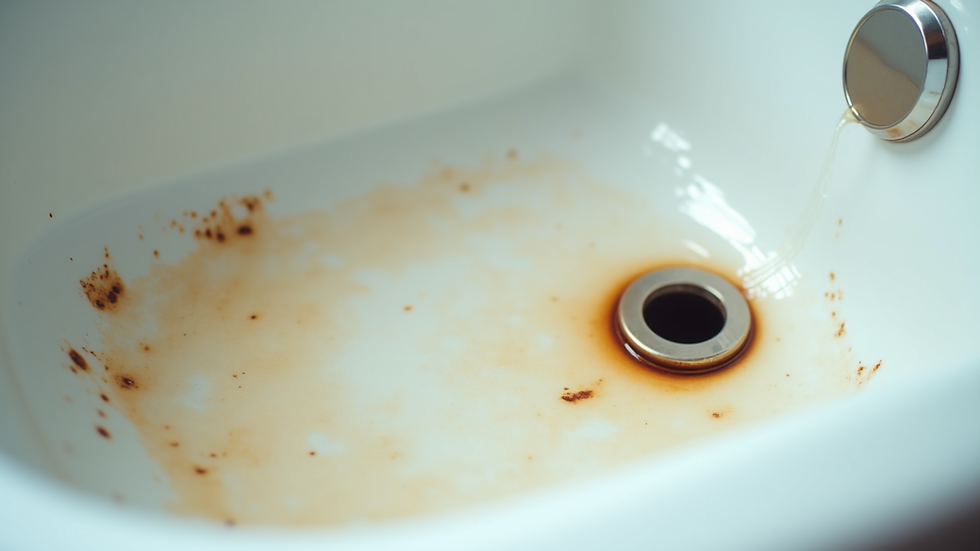
Before diving into stain removal methods, it is essential to understand why bore water causes staining. Bore water often contains high levels of minerals such as iron, manganese, and calcium. When this water is exposed to air or heated, these minerals oxidise and precipitate, forming reddish-brown, black, or white stains.
Iron causes reddish or rusty stains.
Manganese results in black or dark brown stains.
Calcium leads to white, chalky deposits.
Knowing the type of mineral causing the stain helps in selecting the most effective removal method. For example, iron stains respond well to acidic cleaners, while manganese stains may require stronger oxidising agents.
Effective Techniques for Getting Rid of Bore Stains
When it comes to getting rid of bore stains, a combination of mechanical cleaning and chemical treatment often yields the best results. Here are some of the most effective methods I recommend:
1. Mechanical Cleaning
Start with physical removal of loose deposits. Use a stiff brush or abrasive pad to scrub the stained surface. This step is particularly useful for outdoor areas like patios or concrete surfaces where mineral deposits accumulate.
For laundry stains, pre-soak clothes in water mixed with a mild detergent.
For plumbing fixtures, use a non-abrasive sponge to avoid scratching.
2. Acid-Based Cleaners
Acidic solutions such as diluted vinegar or commercial rust removers are excellent for dissolving iron and calcium deposits. Apply the cleaner to the stain, allow it to sit for 10-15 minutes, then scrub and rinse thoroughly.
Always test the cleaner on a small, inconspicuous area first.
Use gloves and eye protection when handling acids.
3. Oxidising Agents
For stubborn manganese stains, oxidising agents like hydrogen peroxide or specialised manganese removers can be effective. These chemicals break down the manganese compounds, making them easier to wash away.
Apply the oxidising agent carefully and follow manufacturer instructions.
Avoid mixing oxidisers with acids to prevent hazardous reactions.
4. Water Softening and Filtration
Preventing stains is often more efficient than removing them. Installing water softeners or filtration systems can reduce mineral content in bore water, minimising staining issues.
Ion exchange softeners replace iron and manganese ions with sodium.
Activated carbon filters can improve water clarity and taste.

Tips for Maintaining Stain-Free Surfaces
Regular maintenance is key to preventing bore water stains from becoming a persistent problem. Here are some practical tips I have found useful:
Flush your bore system regularly to prevent mineral build-up.
Use stain-resistant materials for plumbing fixtures and outdoor surfaces.
Treat laundry promptly by soaking stained clothes as soon as possible.
Monitor water quality periodically to detect changes in mineral levels.
When to Call in Professional Help
While many bore water stain removal methods can be done at home, some situations require professional expertise. If stains are widespread, persistent, or affecting critical infrastructure, consulting a groundwater management specialist is advisable.
Professionals can:
Conduct detailed water analysis.
Recommend tailored treatment solutions.
Install advanced filtration and treatment systems.
This approach ensures long-term protection against bore water stains and maintains water quality.
Final Thoughts on Managing Bore Water Stains
Managing bore water stains effectively requires a combination of understanding the cause, applying the right cleaning methods, and implementing preventive measures. Whether you are dealing with rusty laundry, stained plumbing fixtures, or discoloured outdoor surfaces, the strategies outlined here will help you tackle the problem confidently.
For those seeking detailed guidance on bore water stain removal, I recommend consulting resources and experts who specialise in groundwater management. With the right approach, you can keep your bore water systems and surroundings clean and stain-free for years to come.


Comments