
Boost Your Water Quality with Cleaning Bore Wells

Maintaining high-quality water from your bore well is essential for both residential and professional use. Over time, bore wells can accumulate sediments, minerals, and biological growth that degrade water quality and reduce the efficiency of your water supply system. Regular maintenance and cleaning are crucial to ensure your bore well continues to deliver clean, safe water. In this article, I will share my expertise on how cleaning bore wells can significantly improve water quality and extend the lifespan of your borehole system.
The Importance of Cleaning Bore Wells
Cleaning bore wells is not just about aesthetics; it directly impacts the water quality and the operational efficiency of your borehole. Sediment buildup, iron bacteria, and other contaminants can clog the well screen and reduce water flow. This leads to increased pumping costs and potential damage to your pump.
For example, in Western Australia, many homeowners face bore staining problems caused by iron and manganese deposits. These deposits not only stain laundry and fixtures but also indicate the presence of bacteria that can affect water taste and safety. By regularly cleaning bore wells, you can remove these deposits and prevent further contamination.
Regular cleaning also helps in identifying any structural issues within the borehole, such as casing damage or screen blockages, which can be addressed before they escalate into costly repairs.

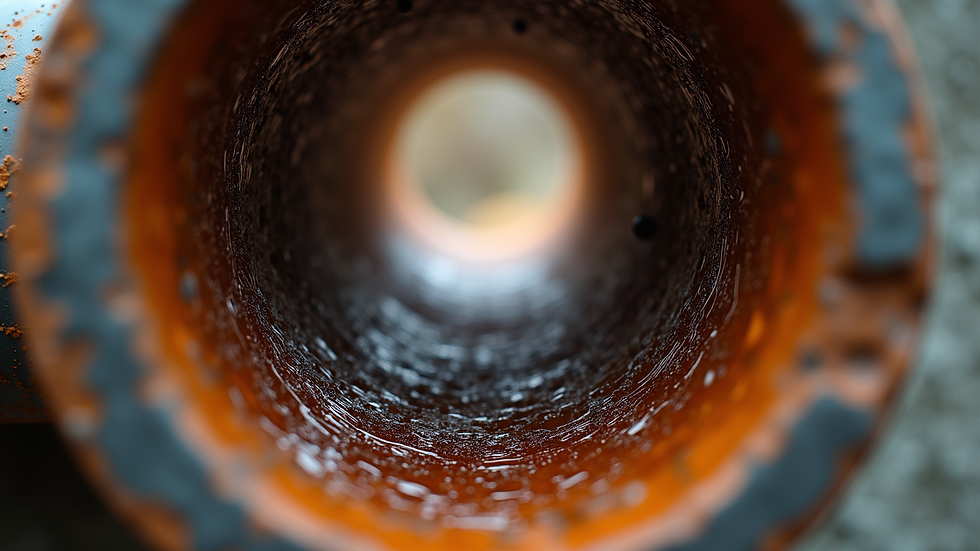
Sediment buildup inside bore well casing reduces water flow and quality
Effective Methods for Cleaning Bore Wells
There are several methods to clean bore wells, each suited to different types of contamination and well conditions. Choosing the right method depends on the severity of the buildup and the type of contaminants present.
Mechanical Cleaning
This involves physically removing sediments and debris using specialized tools such as brushes, scrapers, or air-lift pumps. Mechanical cleaning is effective for removing loose sediments and biofilms.
Chemical Cleaning
Chemicals like chlorine or acid solutions can be used to dissolve mineral deposits and disinfect the well. It is important to use chemicals that are safe for groundwater and follow environmental regulations.
Hydro Jetting
High-pressure water jets can dislodge stubborn deposits and flush them out of the well. This method is particularly useful for wells with heavy mineral encrustations.
Air Lifting
This technique uses compressed air to lift sediments and contaminants to the surface. It is a gentle method that minimizes damage to the well structure.
In my experience, combining mechanical and chemical cleaning often yields the best results, especially for wells suffering from iron bacteria and mineral staining.

Equipment setup for bore well cleaning process ensures thorough maintenance
How often should a borehole be flushed?
The frequency of flushing your borehole depends on several factors including water usage, local groundwater conditions, and the presence of contaminants. Generally, I recommend flushing your borehole at least once a year to maintain optimal water quality.
For boreholes in areas with high iron or manganese content, more frequent flushing may be necessary to prevent staining and bacterial growth. Additionally, if you notice a drop in water flow or changes in water taste and colour, it is a clear sign that your borehole needs attention.
Regular monitoring of water quality parameters such as turbidity, pH, and iron concentration can help determine the ideal flushing schedule. Keeping a maintenance log will also assist in tracking the condition of your borehole over time.
Benefits of Professional Borehole Cleaning Services
While some borehole maintenance tasks can be performed by homeowners, professional services offer several advantages:
Expertise and Experience: Professionals understand the complexities of borehole systems and can identify issues that may not be obvious.
Specialized Equipment: Access to advanced cleaning tools and techniques ensures thorough cleaning without damaging the well.
Water Quality Testing: Professionals can conduct comprehensive water tests before and after cleaning to verify improvements.
Compliance with Regulations: Ensuring that cleaning methods meet local environmental and safety standards.
Engaging a professional service for borehole cleaning guarantees that your bore well is maintained to the highest standards, safeguarding your water supply.
Practical Tips for Maintaining Your Bore Well
To keep your bore well in top condition between professional cleanings, consider these practical tips:
Regular Inspection: Check for signs of sediment buildup, discoloration, or foul odours.
Water Treatment: Use appropriate filtration or treatment systems to reduce contaminants.
Pump Maintenance: Ensure your pump is serviced regularly to avoid mechanical failures.
Protect the Wellhead: Keep the area around the bore well clean and secure to prevent surface contamination.
Record Keeping: Maintain detailed records of all maintenance activities and water quality tests.
By following these steps, you can extend the life of your bore well and enjoy consistently high water quality.
Maintaining a clean bore well is essential for reliable and safe water supply. Through regular cleaning and proper maintenance, you can prevent common issues such as sediment buildup and bacterial contamination. Whether you manage a commercial groundwater system or a residential bore in Western Australia, investing in professional cleaning services and adopting good maintenance practices will ensure your water remains pure and your bore well operates efficiently for years to come.


Comments