
Cleaning Boreholes Effectively: Essential Techniques for Australians

Maintaining a borehole is crucial for ensuring a reliable and clean water supply, especially in regions like Perth, Sydney, and Melbourne where groundwater is a vital resource. Over time, boreholes can accumulate sediments, biofilms, and mineral deposits that reduce water quality and flow rates. In my experience working with groundwater management professionals and homeowners in Western Australia, I have seen how effective borehole cleaning can extend the lifespan of a bore and improve water clarity. This article will guide you through practical and proven techniques to clean boreholes effectively, helping you maintain optimal water extraction and prevent common issues such as bore staining.
Understanding the Importance of Cleaning Boreholes Effectively
Boreholes are susceptible to various forms of contamination and clogging. Sediment buildup, iron bacteria, and mineral scaling can all impair the bore’s performance. When these issues are left unaddressed, they can lead to:
Reduced water yield
Increased pumping costs
Poor water quality with unpleasant taste or staining
Damage to pumps and other equipment
Cleaning boreholes effectively is not just about removing visible debris but also about addressing microscopic biofilms and chemical deposits that can cause long-term damage. Regular maintenance ensures that the borehole remains productive and safe for use.
Common Causes of Borehole Contamination
Sediment intrusion: Fine particles enter the borehole through cracks or during pumping.
Iron and manganese bacteria: These microorganisms form slimy biofilms that clog screens and pipes.
Mineral scaling: Calcium carbonate and other minerals precipitate and coat the borehole walls.
Organic matter: Leaves, roots, and other debris can enter shallow bores.
Understanding these causes helps in selecting the right cleaning method tailored to the specific problem.

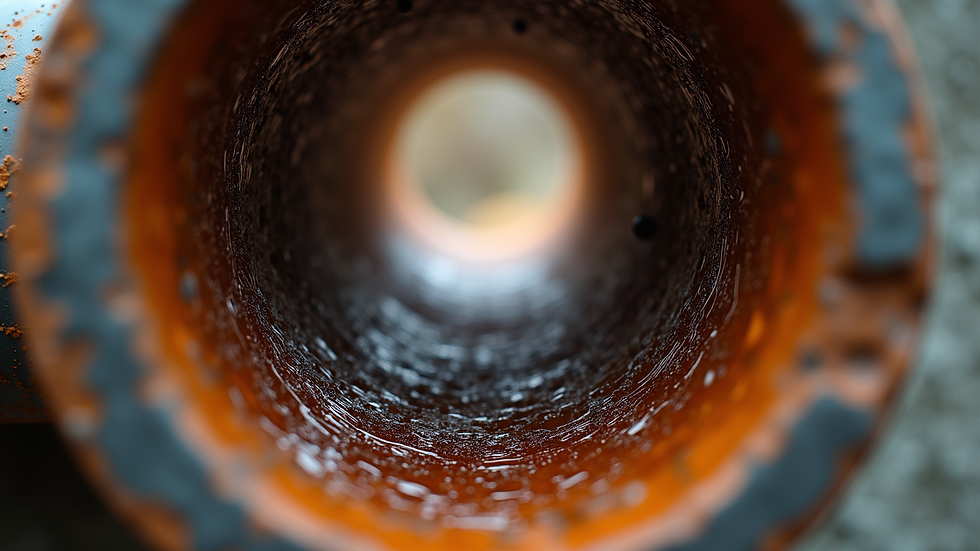
Close-up view of borehole water pump with sediment buildup
Proven Methods for Cleaning Boreholes Effectively
There are several techniques available for borehole cleaning, each suited to different types of contamination and borehole conditions. Here are the most effective methods I recommend based on years of field experience:
1. Mechanical Cleaning
Mechanical cleaning involves physically removing sediments and debris from the borehole. This can be done using:
Borehole brushes: Long, flexible brushes attached to rods can scrub the borehole walls and screens.
Airlifting: Compressed air is injected to agitate and lift sediments to the surface.
Jetting: High-pressure water jets dislodge deposits and flush them out.
Mechanical cleaning is particularly effective for removing loose sediments and biofilms. It is often the first step before chemical treatments.
2. Chemical Cleaning
Chemical cleaning targets mineral scaling and bacterial biofilms that mechanical methods cannot fully remove. Common chemicals used include:
Acid treatments: Hydrochloric acid or other mild acids dissolve calcium carbonate scales.
Biocides: Chemicals that kill iron bacteria and other microorganisms.
Chelating agents: These bind to metals and help remove iron and manganese deposits.
Chemical cleaning should be performed carefully, following safety guidelines and environmental regulations. It is often combined with mechanical cleaning for best results.
3. Surging and Development
Surging involves rapidly moving water in and out of the borehole to loosen sediments and biofilms. Development is the process of flushing the borehole to remove these loosened materials. This technique improves water flow and is often used after drilling or cleaning.
4. Flushing and Pumping
After cleaning, flushing the borehole with clean water and pumping it out helps remove residual debris and chemicals. This step is essential to restore water clarity and ensure the borehole is ready for use.

High angle view of borehole maintenance equipment on site
Selecting the Right Cleaning Technique for Your Borehole
Choosing the appropriate cleaning method depends on several factors:
Borehole depth and diameter: Larger and deeper bores may require specialized equipment.
Type of contamination: Sediment-heavy bores benefit from mechanical cleaning, while mineral scaling needs chemical treatment.
Water quality requirements: Drinking water bores require more stringent cleaning and disinfection.
Frequency of maintenance: Regular cleaning prevents severe buildup and reduces the need for aggressive treatments.
For example, a bore in Western Australia suffering from iron staining might require a combination of mechanical brushing and biocide treatment to remove iron bacteria and prevent staining. On the other hand, a bore clogged with calcium deposits in Sydney might respond better to acid cleaning followed by thorough flushing.
Best Practices for Maintaining Boreholes Post-Cleaning
Cleaning is only part of the solution. To keep your borehole in top condition, consider these ongoing maintenance tips:
Regular inspections: Schedule periodic checks to detect early signs of clogging or contamination.
Water quality testing: Monitor parameters such as turbidity, iron, manganese, and bacterial counts.
Proper pump operation: Avoid over-pumping which can draw in sediments.
Protect the borehead: Ensure the borehead is sealed and protected from surface contamination.
Record keeping: Maintain detailed logs of cleaning activities, water quality, and any issues.
Implementing these practices will help you avoid costly repairs and ensure a consistent water supply.
When to Call in Professional Help
While some borehole cleaning tasks can be done by experienced homeowners, many situations require professional expertise. If you encounter:
Persistent water discoloration or staining
Significant drop in water yield
Complex contamination such as chemical pollutants
Equipment damage or malfunction
It is advisable to engage groundwater management professionals who have the right tools and knowledge to perform safe and effective borehole cleaning.
For those interested in learning more about borehole cleaning, I recommend consulting with certified specialists who understand local groundwater conditions and regulations.
By applying these effective borehole cleaning techniques, you can ensure your borehole remains a reliable source of clean water. Whether you manage a commercial groundwater system or maintain a home bore in Western Australia, regular and proper cleaning is key to long-term success.


Comments