
Iron Bacteria Cleaning: Effective Solutions for Bore Water Systems

Iron bacteria are a common challenge in groundwater systems, especially for those relying on bores in regions like Perth, Sydney, and Melbourne. These bacteria thrive in iron-rich water and can cause significant staining, clogging, and unpleasant odours. Having worked extensively with bore water management, I understand the frustration and complexity involved in tackling iron bacteria contamination. In this article, I will share practical, proven methods for iron bacteria cleaning that can help maintain the efficiency and safety of your water supply.
Understanding Iron Bacteria Cleaning and Its Importance
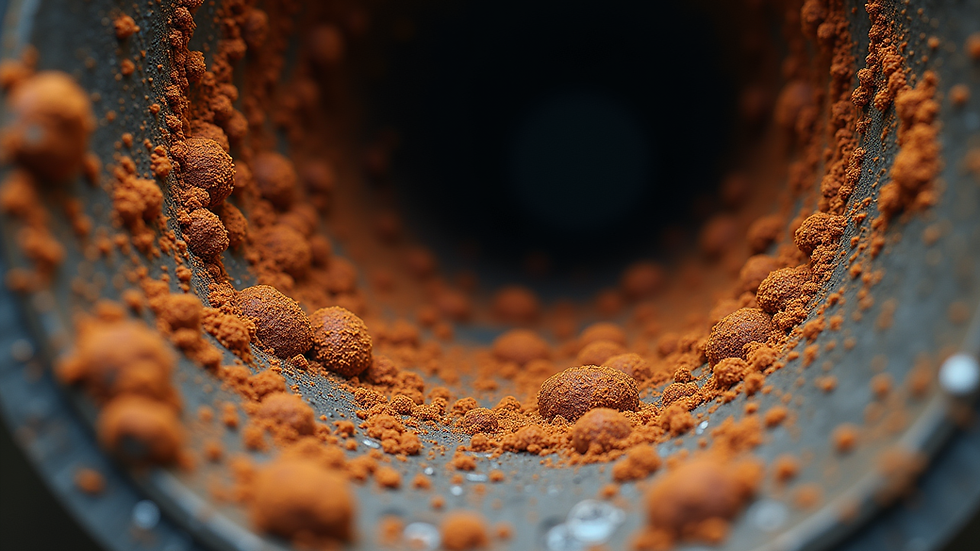
Iron bacteria are microorganisms that feed on dissolved iron in water. When they oxidise iron, they produce a slimy, rust-coloured biofilm that adheres to pipes, pumps, and well casings. This biofilm can reduce water flow, cause blockages, and stain laundry and fixtures with reddish-brown marks. For bore owners and groundwater professionals, iron bacteria cleaning is essential to prevent these issues and extend the lifespan of water infrastructure.
The cleaning process involves removing the biofilm and controlling bacterial growth to restore water quality. Ignoring iron bacteria can lead to costly repairs and water treatment challenges. Effective cleaning not only improves water clarity and taste but also protects pumps and pipes from corrosion and clogging.
Best Practices for Iron Bacteria Cleaning in Bore Systems
When it comes to iron bacteria cleaning, a systematic approach is crucial. Here are some of the best practices I recommend based on years of experience:
Regular Inspection and Monitoring: Schedule routine checks of your bore and water system to detect early signs of iron bacteria. Look for slimy deposits, reddish stains, and unusual odours.
Mechanical Cleaning: Physically remove biofilm buildup by scrubbing or flushing pipes and well casings. This step is often necessary before chemical treatments.
Chemical Treatment: Use oxidising agents such as chlorine or hydrogen peroxide to kill bacteria and break down biofilms. The choice of chemical depends on the severity of contamination and system specifications.
Shock Chlorination: This involves injecting a high concentration of chlorine into the bore and letting it sit for several hours. It is one of the most effective methods for iron bacteria cleaning.
System Flushing: After treatment, flush the system thoroughly to remove dead bacteria and residual chemicals.
Preventative Measures: Install filters and maintain proper water flow to reduce iron bacteria growth. Avoid stagnant water conditions that encourage bacterial colonies.
Each step requires careful execution to avoid damaging the bore or water system components. I always advise consulting with water treatment professionals to tailor the cleaning process to your specific setup.

What Gets Rid of Iron Bacteria?
Removing iron bacteria effectively requires a combination of mechanical and chemical methods. Here are some of the most effective solutions I have found:
Chlorine Treatment
Chlorine is widely used due to its strong oxidising properties. It kills bacteria and oxidises iron, making it easier to flush out. For iron bacteria cleaning, shock chlorination is recommended, where chlorine concentration is raised significantly for a few hours before flushing.
Hydrogen Peroxide
This is an alternative oxidiser that breaks down biofilms without leaving harmful residues. It is less corrosive than chlorine and suitable for sensitive systems.
Potassium Permanganate
This chemical oxidises iron and manganese and can be used in combination with filtration systems to control iron bacteria growth.
Mechanical Scrubbing and Flushing
Physically removing the biofilm is essential before chemical treatment. High-pressure flushing or pigging (using a cleaning device pushed through pipes) can dislodge stubborn deposits.
Ultraviolet (UV) Light Treatment
While UV does not remove biofilms, it can reduce bacterial populations in water after mechanical and chemical cleaning.
Regular Maintenance
Preventing iron bacteria regrowth is easier than removing established colonies. Regular cleaning schedules and water quality monitoring are key.
By combining these methods, you can achieve thorough iron bacteria cleaning and maintain a healthy bore water system.
Practical Tips for Bore Owners Facing Iron Bacteria Issues
If you own a bore in Western Australia or other regions with iron-rich groundwater, here are some actionable tips to manage iron bacteria:
Test Your Water Regularly: Check for iron levels and bacterial presence. Early detection helps prevent severe contamination.
Schedule Professional Cleaning: Engage experts for periodic iron bacteria cleaning to avoid system damage.
Use Appropriate Chemicals: Follow recommended dosages and safety guidelines when applying chlorine or other oxidisers.
Maintain Equipment: Clean pumps, filters, and pipes regularly to prevent biofilm buildup.
Improve Water Flow: Ensure your bore system has good circulation to discourage bacterial colonies.
Consider Water Treatment Systems: Installing iron filters or aeration systems can reduce iron content and bacterial growth.
These steps will help you maintain clear, safe water and protect your bore infrastructure from iron bacteria damage.
Long-Term Strategies for Managing Iron Bacteria in Groundwater Systems
Sustainable iron bacteria management requires a long-term approach. Here are some strategies I have found effective:
Water Quality Monitoring Programs: Implement ongoing testing to track iron and bacterial levels.
System Design Improvements: Use materials resistant to biofilm formation and design systems for easy cleaning access.
Integrated Treatment Solutions: Combine filtration, chemical dosing, and UV treatment for comprehensive control.
Education and Training: Ensure operators understand iron bacteria issues and proper cleaning techniques.
Record Keeping: Maintain detailed logs of cleaning schedules, treatments, and water quality results.
By adopting these strategies, groundwater professionals and bore owners can minimise iron bacteria problems and ensure reliable water supply.
For those interested in detailed methods and professional services, I recommend exploring iron bacteria removal options tailored to your specific needs.
Maintaining Water Quality Beyond Iron Bacteria Cleaning
Iron bacteria cleaning is just one aspect of maintaining high-quality bore water. Other factors to consider include:
Managing Other Contaminants: Address manganese, sulphur bacteria, and organic matter that can affect water quality.
Regular System Inspections: Check for leaks, corrosion, and mechanical wear.
Water Treatment Upgrades: Invest in advanced filtration and disinfection technologies as needed.
Community Collaboration: Share knowledge and resources with local groundwater management groups.
By taking a holistic approach, you can ensure your bore water remains safe, clean, and efficient for years to come.
Iron bacteria cleaning is a critical task for anyone managing bore water systems in iron-rich regions. With the right knowledge, tools, and practices, you can effectively control these bacteria and protect your water supply infrastructure. I encourage you to implement these solutions and stay proactive in your groundwater management efforts.


Comments