
Understanding the Power of Stain Remover for Bores

When dealing with bore water systems, one of the most persistent challenges is managing bore stains. These unsightly marks can affect the appearance and functionality of your bore infrastructure, leading to costly maintenance and reduced efficiency. Over the years, I have gained extensive experience in groundwater management and have seen firsthand how the right stain remover for bores can make a significant difference. In this article, I will share insights into the power of bore stain removers, their importance, and practical advice on selecting and using them effectively.
Why a Stain Remover for Bores is Essential
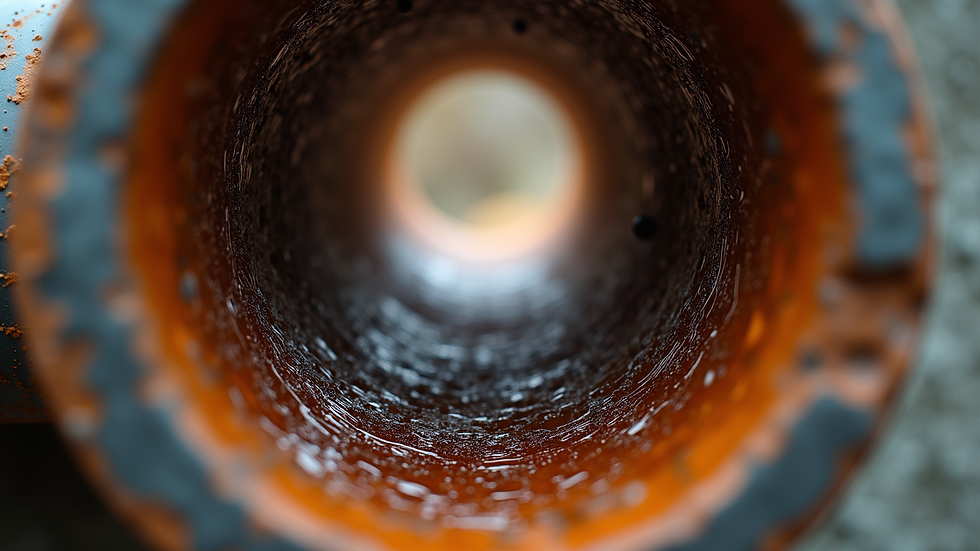
Bore water often contains minerals such as iron, manganese, and calcium, which can cause staining on pipes, pumps, and other bore components. These stains are not just cosmetic issues; they can lead to blockages, corrosion, and reduced water flow. This is why a dedicated stain remover for bores is essential.
Using a specialised stain remover helps to:
Restore the appearance of bore equipment, making it easier to inspect and maintain.
Prevent mineral build-up that can clog pipes and reduce water efficiency.
Extend the lifespan of bore infrastructure by reducing corrosion.
Improve water quality by removing contaminants that affect taste and usability.
For example, in Western Australia, where bore water is commonly used for irrigation and household purposes, managing these stains is critical to maintaining system performance.

How Bore Stain Removers Work
Understanding the chemistry behind bore stain removers is key to appreciating their effectiveness. Most stain removers are formulated to target specific minerals found in bore water. Here’s how they typically work:
Chelation - The remover binds to metal ions like iron and manganese, making them soluble and easier to wash away.
Acidic action - Mild acids dissolve mineral deposits without damaging the bore materials.
Oxidation - Some removers use oxidising agents to convert minerals into forms that can be flushed out.
Choosing the right product depends on the type of stain and the bore system materials. For instance, iron stains require different treatment compared to calcium deposits.
In my experience, applying the remover according to manufacturer instructions and allowing sufficient contact time is crucial for optimal results. Rushing the process often leads to incomplete stain removal and recurring problems.

Selecting the Right Bore Stain Remover
With many products on the market, selecting the right bore stain remover can be overwhelming. Here are some practical tips based on my professional experience:
Identify the stain type: Conduct a water test to determine the mineral content causing the stains.
Check compatibility: Ensure the remover is safe for your bore’s materials, such as PVC, steel, or concrete.
Consider environmental impact: Opt for eco-friendly formulations, especially if the bore water is used for irrigation or household purposes.
Evaluate ease of use: Some removers require dilution or special handling, so choose one that fits your operational capabilities.
Look for proven effectiveness: Seek products with positive reviews or case studies from similar bore systems.
For example, in Sydney, where bore water often has high iron content, I recommend using a remover specifically designed for iron stains to achieve the best results.
Best Practices for Using Bore Stain Removers
Applying a bore stain remover correctly is as important as choosing the right product. Here are some actionable recommendations:
Prepare the bore system: Flush out loose debris and ensure the system is accessible.
Follow dosage instructions: Use the recommended amount to avoid damage or ineffective treatment.
Allow adequate contact time: Let the remover work on the stains before flushing.
Flush thoroughly: After treatment, flush the system to remove dissolved minerals and residues.
Regular maintenance: Schedule periodic treatments to prevent stain build-up.
In my work with homeowners in Western Australia, I have seen that regular maintenance using a quality bore stain remover can prevent costly repairs and maintain water quality.
The Impact of Bore Stain Removers on Groundwater Management
Effective stain removal is not just about aesthetics; it plays a vital role in sustainable groundwater management. By keeping bore systems clean and efficient, stain removers help:
Reduce water wastage caused by blockages and leaks.
Maintain pump efficiency, lowering energy consumption.
Protect groundwater quality by preventing contamination from corroded materials.
Support long-term bore viability, reducing the need for new bore drilling.
For professionals managing groundwater in Perth, Sydney, and Melbourne, integrating stain removal into routine bore maintenance is a best practice that enhances system reliability and environmental stewardship.
If you want to explore effective options, I recommend checking out this bore stain remover that has proven results in various bore water applications.
Enhancing Bore System Longevity with Proper Stain Management
In my years of experience, I have learned that proactive stain management extends the life of bore systems significantly. Neglecting stains can lead to:
Accelerated corrosion of metal components.
Increased frequency of pump failures.
Higher maintenance and replacement costs.
Conversely, regular use of a quality stain remover helps maintain system integrity and performance. I advise scheduling stain removal treatments as part of your bore maintenance plan, especially in regions with high mineral content in groundwater.
By investing in the right products and following best practices, you can ensure your bore system remains reliable and efficient for years to come.


Comments