
Effective Iron Bacteria Solutions for Bore Water Management
- David Bennett
- Dec 15, 2025
- 4 min read

Iron bacteria are a common challenge in groundwater systems, especially for those managing bores in regions like Perth, Sydney, and Melbourne. These bacteria thrive in iron-rich environments, causing staining, clogging, and unpleasant odours in water supplies. Over the years, I have developed and refined several effective iron bacteria solutions that not only mitigate these issues but also improve water quality and system longevity. In this post, I will share practical, proven techniques to help you manage and remove iron bacteria from your bore water systems.
Understanding Iron Bacteria Solutions: What Works Best?
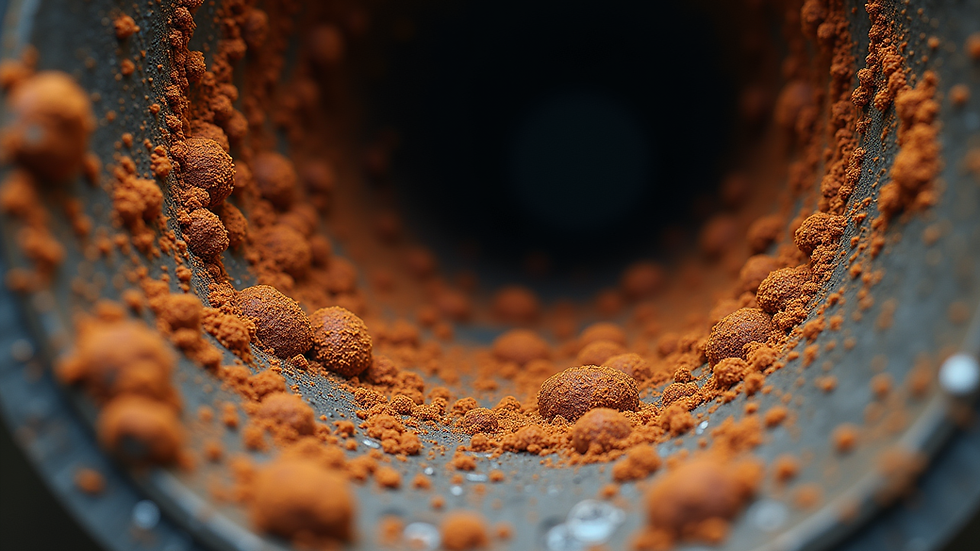
Before diving into removal techniques, it’s essential to understand what iron bacteria are and why they pose such a problem. Iron bacteria are microorganisms that oxidise dissolved iron in water, producing a slimy, rust-coloured biofilm. This biofilm can clog pipes, pumps, and filters, reducing water flow and causing staining on fixtures and laundry.
Effective iron bacteria solutions focus on disrupting this biofilm and preventing its reformation. Here are some of the most reliable methods I recommend:
Shock Chlorination: This involves injecting a high concentration of chlorine into the bore and water system to kill bacteria and oxidise iron deposits.
Chemical Treatments: Using specialised chemical enhancers that target iron bacteria without damaging the bore infrastructure.
Mechanical Cleaning: Physically removing biofilm and deposits through pipe flushing and scrubbing.
Regular Maintenance: Implementing a routine cleaning schedule to prevent bacterial build-up.
Each method has its place depending on the severity of the contamination and the specific bore system setup.

Practical Iron Bacteria Solutions for Bore Water Systems
When dealing with iron bacteria, a tailored approach is necessary. I have found that combining chemical and mechanical methods yields the best results. Here’s a step-by-step guide to an effective treatment plan:
Initial Assessment
Conduct a thorough inspection of the bore and water system. Look for signs of staining, slime, and reduced water flow. Testing water samples for iron concentration and bacterial presence is crucial.
Shock Chlorination
Prepare a chlorine solution with a concentration suitable for your bore size. Inject the solution into the bore and allow it to sit for 12-24 hours. This process kills bacteria and oxidises iron, making it easier to flush out.
Flushing and Mechanical Cleaning
After chlorination, flush the system thoroughly to remove dead bacteria and iron deposits. Use mechanical cleaning tools if necessary to scrub pipes and pump components.
Chemical Enhancers
Apply a specialised product designed for iron bacteria control. For example, iron bacteria removal solutions like Boresaver Liquid Enhancer can help maintain system cleanliness and prevent biofilm reformation.
Routine Maintenance
Schedule regular inspections and treatments to keep iron bacteria under control. This proactive approach reduces the risk of severe contamination and costly repairs.
By following these steps, you can significantly improve water quality and extend the life of your bore system.

The Role of Chemical Enhancers in Iron Bacteria Control
Chemical enhancers are a game-changer in managing iron bacteria. Unlike traditional chlorine treatments that only provide temporary relief, these products work by breaking down biofilms and preventing bacteria from re-establishing themselves.
I recommend using chemical enhancers as part of a comprehensive treatment plan. They are especially useful for:
Long-term maintenance: Keeping bacterial growth in check between shock chlorination cycles.
Reducing staining: Minimising rust-coloured deposits on fixtures and laundry.
Improving water clarity: Enhancing the overall appearance and usability of bore water.
When selecting a chemical enhancer, ensure it is compatible with your bore system materials and local water regulations. Products like Boresaver Liquid Enhancer are formulated specifically for bore water applications and have proven effective in my experience.
Mechanical Cleaning Techniques to Complement Chemical Treatments
While chemicals are essential, mechanical cleaning should not be overlooked. Physical removal of biofilm and iron deposits ensures that chemical treatments can penetrate and work effectively.
Some mechanical cleaning methods I use include:
Pipe Flushing: Using high-pressure water to dislodge deposits.
Pigging: Running a cleaning device through pipes to scrape off biofilm.
Pump Disassembly and Cleaning: Removing and manually cleaning pump parts that accumulate slime.
Mechanical cleaning is labour-intensive but necessary for severe infestations. Combining it with chemical treatments provides a comprehensive solution that addresses both the symptoms and root causes of iron bacteria problems.
Maintaining Your Bore System to Prevent Iron Bacteria Recurrence
Prevention is always better than cure. After successfully treating iron bacteria, maintaining your bore system is critical to avoid future issues. Here are my top recommendations:
Regular Water Testing: Monitor iron levels and bacterial presence quarterly.
Scheduled Shock Chlorination: Perform shock chlorination every 6-12 months depending on contamination levels.
Use of Chemical Enhancers: Apply chemical treatments regularly as a preventative measure.
System Inspection: Check for leaks, damaged pipes, or stagnant water zones where bacteria can thrive.
Proper Bore Design: Ensure your bore is designed to minimise iron bacteria growth, including adequate casing and sealing.
By implementing these maintenance practices, you can keep your bore water clean, clear, and free from iron bacteria-related problems.
Enhancing Bore Water Quality with Proven Iron Bacteria Solutions
Managing iron bacteria is a continuous process that requires knowledge, experience, and the right tools. Through years of working with groundwater systems in Australia, I have seen how effective iron bacteria solutions can transform bore water quality and system performance.
If you are struggling with bore staining or reduced water flow, consider integrating chemical enhancers like iron bacteria removal products into your treatment plan. Coupled with mechanical cleaning and regular maintenance, these solutions will help you maintain a reliable and efficient water supply.
Investing time and resources into proper iron bacteria management not only protects your bore infrastructure but also ensures the water you rely on remains safe and usable for years to come.


Comments