
Effective Strategies for Eliminating Iron Bacteria from Water Systems
- David Bennett
- Jan 23
- 4 min read

Iron bacteria are a common challenge in many water systems, especially those relying on groundwater sources. These microorganisms thrive in environments rich in iron and manganese, causing staining, unpleasant odours, and clogging in pipes and pumps. Having worked extensively with water systems in Perth, Sydney, and Melbourne, I understand the frustration and operational issues iron bacteria can cause. In this post, I will share practical, proven methods for eliminating iron bacteria from water systems, ensuring cleaner water and more efficient infrastructure.
Understanding the Problem: Why Eliminating Iron Bacteria Matters
Iron bacteria are naturally occurring microbes that feed on dissolved iron in water. When they metabolise iron, they produce a slimy, rust-coloured biofilm that adheres to surfaces inside pipes, pumps, and storage tanks. This biofilm can cause several problems:
Clogging and reduced water flow due to biofilm buildup.
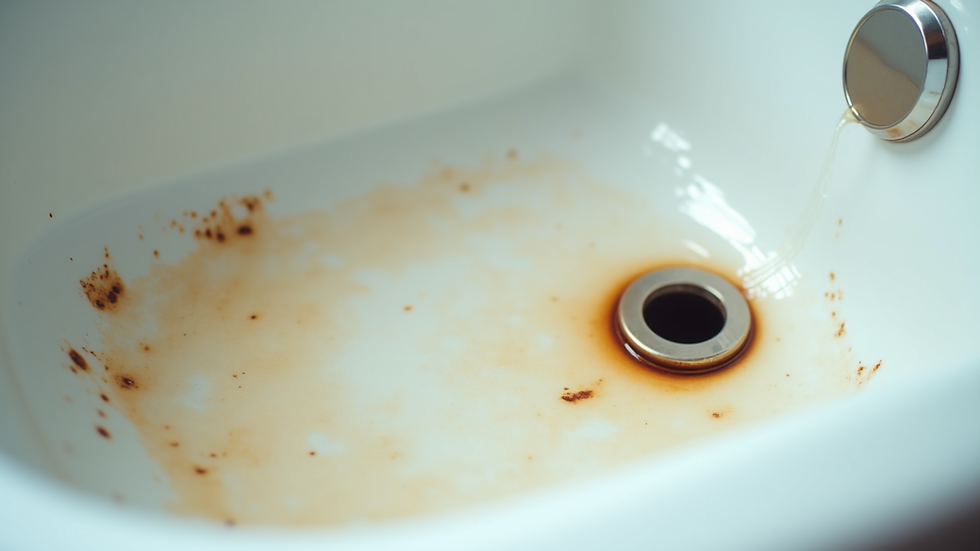
Staining of laundry, fixtures, and bore walls with reddish-brown deposits.
Unpleasant earthy or musty odours in water.
Corrosion and damage to metal components in the water system.
For bore owners in Western Australia, these issues are particularly common due to the iron-rich groundwater. Left untreated, iron bacteria can reduce the lifespan of your water system and increase maintenance costs. Therefore, eliminating iron bacteria is essential for maintaining water quality and system efficiency.

Proven Techniques for Eliminating Iron Bacteria
Eliminating iron bacteria requires a combination of mechanical cleaning, chemical treatment, and ongoing maintenance. Here are the most effective strategies I recommend:
1. Mechanical Cleaning and Flushing
Start by physically removing the biofilm and deposits from your system. This involves:
Flushing the pipes and bore with high-pressure water to dislodge slime and sediment.
Scrubbing or pigging the inside of pipes where accessible.
Cleaning storage tanks and filters to remove accumulated deposits.
Mechanical cleaning reduces the bacterial load and prepares the system for chemical treatment.
2. Chemical Disinfection
Chemical treatment is essential to kill the bacteria and prevent regrowth. Common disinfectants include:
Chlorine: Injecting chlorine into the water system is a widely used method. It oxidises iron and kills bacteria effectively. Maintain a chlorine residual for several hours to ensure thorough disinfection.
Hydrogen peroxide: An alternative oxidising agent that breaks down biofilms and is less corrosive than chlorine.
Potassium permanganate: Useful for oxidising iron and manganese, but requires careful handling.
When applying chemicals, it is crucial to follow safety guidelines and dosage instructions. Overdosing can damage equipment, while underdosing may be ineffective.
3. Shock Chlorination of Bores
For bore owners, shock chlorination is a targeted method to eliminate iron bacteria in the well casing and surrounding aquifer. This involves:
Pumping a strong chlorine solution into the bore.
Allowing it to sit for several hours or overnight.
Flushing the bore thoroughly to remove chlorine and dislodged biofilm.
Shock chlorination is often repeated periodically to maintain control over bacterial populations.

Preventative Measures to Minimise Iron Bacteria Growth
Once you have eliminated iron bacteria, preventing their return is key to long-term water system health. Here are some practical tips:
Regular system maintenance: Schedule periodic flushing and cleaning to prevent biofilm buildup.
Water treatment optimisation: Use filtration and oxidation systems to reduce iron levels before water enters the distribution system.
Control water temperature and pH: Iron bacteria thrive in certain temperature and pH ranges. Adjusting these parameters can inhibit growth.
Avoid stagnant water: Keep water moving through pipes and tanks to reduce bacterial colonisation.
Implementing these measures will reduce the frequency of intensive cleaning and chemical treatments.
Monitoring and Testing for Iron Bacteria Presence
Effective management requires regular monitoring. I recommend:
Visual inspections for rust-coloured slime or staining.
Water testing for iron concentration and bacterial counts.
Flow rate monitoring to detect clogging or pressure drops.
Early detection allows for timely intervention before problems escalate. Many groundwater management professionals use simple field kits or send samples to laboratories for detailed analysis.
Practical Advice for Bore Owners Facing Bore Staining Problems
If you own a bore in Western Australia and notice staining or odours, here are some actionable steps:
Identify the source: Confirm that iron bacteria are the cause by testing water samples.
Engage a professional: Consider hiring experts for shock chlorination and system cleaning.
Install treatment systems: Aeration, filtration, and chemical dosing can help manage iron levels.
Maintain your system: Regularly clean and disinfect to prevent recurrence.
By taking these steps, you can protect your bore infrastructure and enjoy cleaner water.
For more detailed guidance on iron bacteria removal, consult specialised resources or water treatment professionals.
Long-Term Benefits of Effective Iron Bacteria Management
Investing time and resources into eliminating iron bacteria pays off in several ways:
Improved water quality with clearer, odour-free water.
Extended equipment lifespan due to reduced corrosion and clogging.
Lower maintenance costs by preventing severe biofilm buildup.
Enhanced operational efficiency with consistent water flow and pressure.
By adopting a proactive approach, you safeguard your water system and reduce downtime.
Eliminating iron bacteria from water systems is a manageable challenge when approached with the right knowledge and tools. Whether you manage groundwater infrastructure or own a bore, applying these strategies will help you maintain clean, reliable water supplies. Remember, regular monitoring and maintenance are your best allies in keeping iron bacteria at bay.

Comments