
Innovative Bore Water Solutions for Australians: Tackling Common Bore Water Problems
- David Bennett
- Dec 1, 2025
- 3 min read

Accessing reliable groundwater through bores is essential for many Australians, especially in regions like Perth, Sydney, and Melbourne. However, bore water often presents challenges that can affect its usability and longevity. Drawing from years of experience in groundwater management, I want to share insights into common bore water problems and innovative approaches to overcome them effectively.
Understanding Common Bore Water Problems
Bore water is a valuable resource, but it is not without its issues. Some of the most frequent problems include:
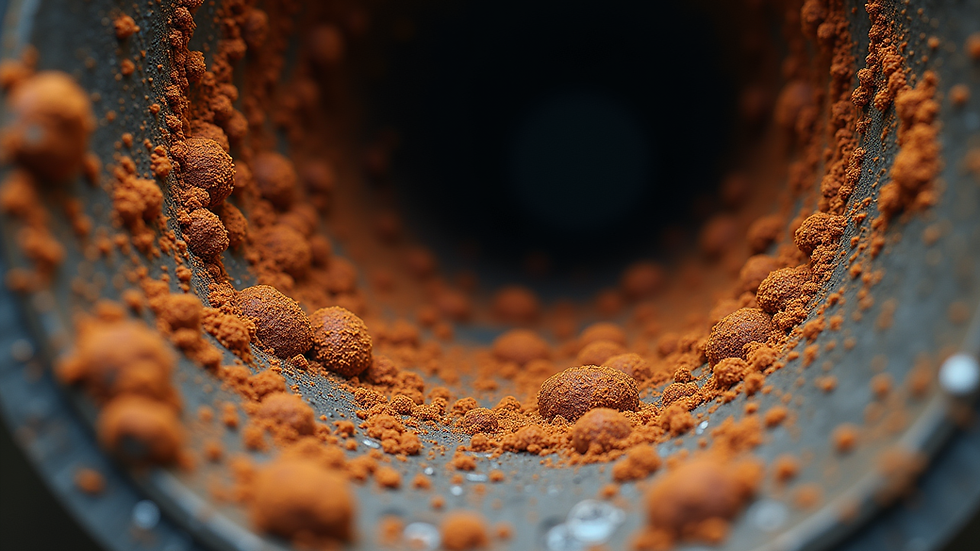
Iron and Manganese Staining: These minerals oxidise when exposed to air, causing reddish-brown or black stains on fixtures, laundry, and irrigation systems.
High Salinity Levels: Excess salts can damage plants, soil structure, and even corrode pipes and pumps.
Bacterial Contamination: Certain bacteria thrive in bore water, leading to biofouling and unpleasant odours.
Sediment and Turbidity: Fine particles can clog pumps and filters, reducing efficiency.
pH Imbalance: Water that is too acidic or alkaline can harm equipment and reduce water quality.
Each of these issues requires a tailored approach to ensure the bore water remains a sustainable and safe resource.

Effective Strategies to Manage Bore Water Quality
Addressing bore water problems starts with thorough testing and monitoring. Regular water analysis helps identify the specific contaminants and their concentrations. Based on this data, I recommend the following strategies:
Iron and Manganese Removal
Installing aeration systems followed by filtration can oxidise and remove these metals. For example, using a manganese greensand filter is a proven method to reduce staining and improve water clarity.
Salinity Control
Blending bore water with rainwater or treated municipal water can lower salinity. Additionally, selecting salt-tolerant plants for irrigation helps mitigate damage.
Bacterial Management
Shock chlorination or UV sterilisation can control bacterial growth. Maintaining clean bore casings and sealing entry points prevents contamination.
Sediment Filtration
Using sand filters or cartridge filters protects pumps and irrigation systems from clogging.
pH Adjustment
Adding neutralising agents like lime or soda ash balances pH levels, protecting infrastructure and improving water usability.
Implementing these measures requires careful planning and ongoing maintenance to ensure long-term success.
Innovative Technologies Enhancing Bore Water Use
Advancements in technology have introduced new tools that make managing bore water easier and more efficient. Some of the innovations I have found particularly effective include:
Automated Monitoring Systems
Sensors that continuously measure water quality parameters such as pH, turbidity, and salinity provide real-time data. This allows for prompt adjustments and reduces manual testing frequency.
Eco-Friendly Treatment Solutions
Products like the bore water solutions from BoreSaver use environmentally safe chemicals to prevent iron and manganese buildup inside pipes and pumps. This extends equipment life and reduces maintenance costs.
Solar-Powered Pumps
These pumps reduce energy costs and are ideal for remote locations where grid power is unavailable.
Smart Irrigation Controllers
Integrating bore water data with irrigation scheduling optimises water use, preventing overwatering and conserving resources.

Practical Tips for Homeowners with Bore Water Staining Issues
For homeowners in Western Australia experiencing bore water staining, practical steps can make a significant difference:
Regular Maintenance
Clean filters and check pumps every few months to prevent mineral buildup.
Use Water Softeners or Conditioners
These devices reduce hardness and prevent staining on laundry and fixtures.
Install Stain-Resistant Fixtures
Choosing materials less prone to staining, such as stainless steel or treated plastics, can reduce visible damage.
Apply Protective Coatings
Surfaces exposed to bore water can be treated with sealants to minimise staining.
Consult Professionals
Engaging groundwater experts ensures the right treatment methods are applied based on your bore’s specific water chemistry.
By adopting these measures, homeowners can protect their properties and enjoy the benefits of bore water without the frustration of staining.
Looking Ahead: Sustainable Bore Water Management
Sustainable management of bore water is critical as demand increases and climate variability impacts water availability. I encourage adopting a holistic approach that includes:
Regular Water Quality Monitoring
Staying informed about changes in water chemistry helps prevent problems before they escalate.
Investing in Innovative Treatment Technologies
Embracing new solutions reduces environmental impact and improves water reliability.
Educating Users
Understanding bore water characteristics and maintenance needs empowers users to make informed decisions.
Collaborating with Experts
Groundwater professionals can provide tailored advice and support for complex issues.
By prioritising these actions, bore water users across Australia can ensure their water supply remains viable and safe for years to come.
I hope these insights and recommendations help you manage bore water challenges effectively. With the right knowledge and tools, bore water can be a dependable resource that supports both residential and commercial needs across Australia.


Comments