
Master Borehole Cleaning for Cleaner Water: Essential Borehole Maintenance Tips
- David Bennett
- 3 days ago
- 3 min read

Maintaining a borehole is crucial for ensuring a reliable supply of clean water. Over time, boreholes can accumulate sediments, biofilms, and mineral deposits that reduce water quality and flow. As someone deeply involved in groundwater management, I have witnessed firsthand how regular upkeep can extend the life of a borehole and improve water clarity. In this post, I will share practical borehole maintenance tips and explain how to effectively clean and care for your borehole to maintain optimal performance.
Understanding Borehole Maintenance Tips for Longevity
Proper borehole maintenance is not just about fixing problems when they arise; it’s about preventing issues before they impact water quality or system efficiency. Here are some key tips I recommend for maintaining boreholes:
Regular Inspection: Schedule inspections at least once a year to check for signs of wear, corrosion, or blockages.
Water Quality Testing: Test water samples regularly to detect changes in pH, turbidity, or contamination levels.
Pump Maintenance: Ensure the pump is serviced and operating efficiently to avoid mechanical failures.
Surface Protection: Keep the borehole headworks sealed and protected from surface contaminants like dirt, leaves, and insects.
Record Keeping: Maintain detailed logs of maintenance activities, water quality results, and any repairs performed.
By following these tips, you can prevent common problems such as bore staining, reduced flow rates, and microbial growth that often plague boreholes in Western Australia.

Common Causes of Borehole Contamination and Blockages
Understanding what causes borehole contamination and blockages helps in targeting maintenance efforts effectively. Some common causes include:
Sediment Build-up: Fine sand, silt, and clay particles can enter the borehole and settle at the bottom, reducing water flow.
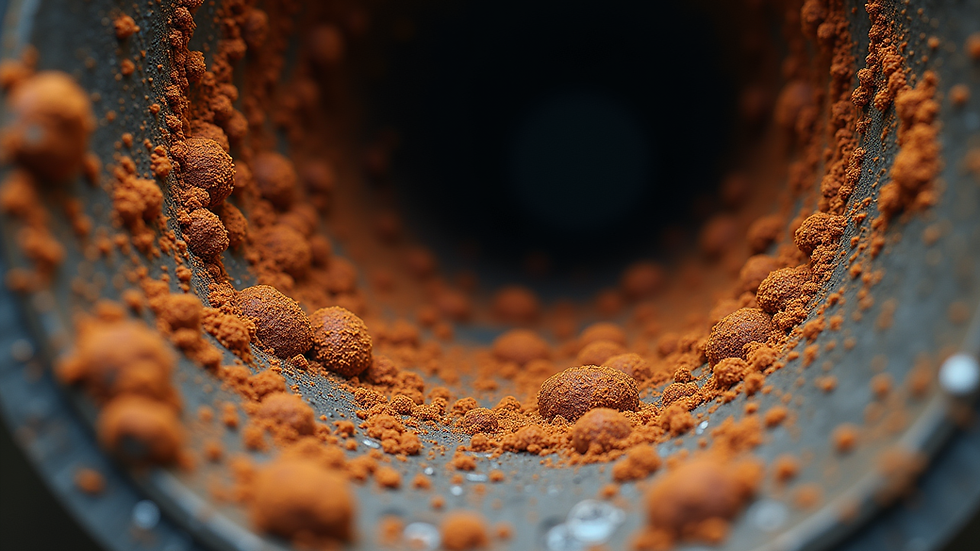
Iron and Manganese Deposits: These minerals oxidise and precipitate inside the borehole, causing staining and clogging.
Biofilm Formation: Bacteria and algae can form slimy layers on the borehole walls and screens, impacting water quality.
Chemical Reactions: Changes in water chemistry can lead to scaling or corrosion of borehole components.
Surface Runoff Contamination: Poorly sealed boreholes can allow surface water carrying pollutants to enter the system.
Addressing these issues early through routine maintenance and cleaning can save significant costs and prevent water quality deterioration.
How to Clean Out a Borehole?
Cleaning a borehole is a specialised task that requires the right tools and techniques to avoid damage. Here’s a step-by-step guide based on my experience:
Pre-Cleaning Assessment
Conduct a thorough inspection and water quality test to identify the type and extent of contamination.
Remove the Pump
Safely extract the pump and any other equipment to access the borehole interior.
Mechanical Cleaning
Use brushes or scrapers attached to rods to physically remove sediment and biofilm from the borehole walls and screen.
Chemical Treatment
Apply appropriate cleaning agents such as acid solutions or biocides to dissolve mineral deposits and kill bacteria. Always follow safety guidelines and manufacturer instructions.
Flushing
Pump clean water through the borehole to flush out loosened debris and residual chemicals.
Reinstallation and Testing
Reinstall the pump and conduct water quality tests to ensure the cleaning was effective.
Documentation
Record the cleaning process, chemicals used, and test results for future reference.
Professional assistance is often recommended for this process, especially when dealing with deep or heavily contaminated boreholes.

Best Practices for Preventing Borehole Staining and Fouling
Bore staining is a common issue caused by iron, manganese, and microbial growth. To minimise staining and fouling, consider these best practices:
Use Filters and Screens: Install fine mesh screens to reduce sediment entry.
Maintain Proper Sealing: Ensure the borehole cap and casing are sealed to prevent surface contamination.
Control Pump Operation: Avoid excessive pumping rates that can draw in sediments.
Regular Chemical Treatments: Schedule periodic disinfection or acid treatments to control biofilms and mineral deposits.
Monitor Water Chemistry: Adjust treatment methods based on changes in water pH and mineral content.
Implementing these measures can significantly reduce maintenance frequency and improve water clarity.
The Importance of Professional Borehole Cleaning Services
While some maintenance tasks can be performed by bore owners, professional borehole cleaning services bring specialised knowledge and equipment that ensure thorough and safe cleaning. Professionals can:
Conduct detailed water and borehole condition assessments.
Use advanced cleaning techniques such as jetting, airlifting, or ultrasonic cleaning.
Safely handle and apply chemical treatments.
Provide expert advice on ongoing maintenance and water quality management.
Engaging professionals periodically helps maintain borehole integrity and water quality, especially in regions like Perth, Sydney, and Melbourne where groundwater conditions vary.
Maintaining a borehole is an ongoing commitment that pays off with cleaner water and longer system life. By following these borehole maintenance tips and understanding the cleaning process, you can protect your water source from contamination and damage. For those looking to deepen their knowledge or require specialised assistance, exploring borehole cleaning services is a wise step towards sustainable groundwater management.


Comments