
White stains on plants & walls

1. High Calcium or Magnesium (Hard Water)
Appearance: Fine, chalky white film on leaves or soil surface after watering.
Cause: When bore water evaporates, calcium carbonate or magnesium salts precipitate out and deposit on leaves.
Test: Do a simple hardness or TDS (Total Dissolved Solids) test on the bore water.
Fix:
Use drip or sub-surface irrigation to keep water off foliage.
Install a softening or acid-dosing system (e.g., dilute citric acid or CO₂ dosing to lower pH).
Periodic leaf washing with rainwater can help remove residue.
2. High Sodium or Chloride Content (Saline Water)
Appearance: White crusts on leaf tips and soil; plants may show leaf burn or stunted growth over time.
Cause: Evaporation leaves behind sodium chloride or similar salts.
Test: Conduct an EC (electrical conductivity) test or full lab analysis for salinity (mg/L or µS/cm).
Fix:
Leach salts from the soil by flushing with good-quality water.
Consider blending bore water with rain or scheme water if feasible.
Choose salt-tolerant species if salinity remains high.
3. Iron or Manganese Oxidation
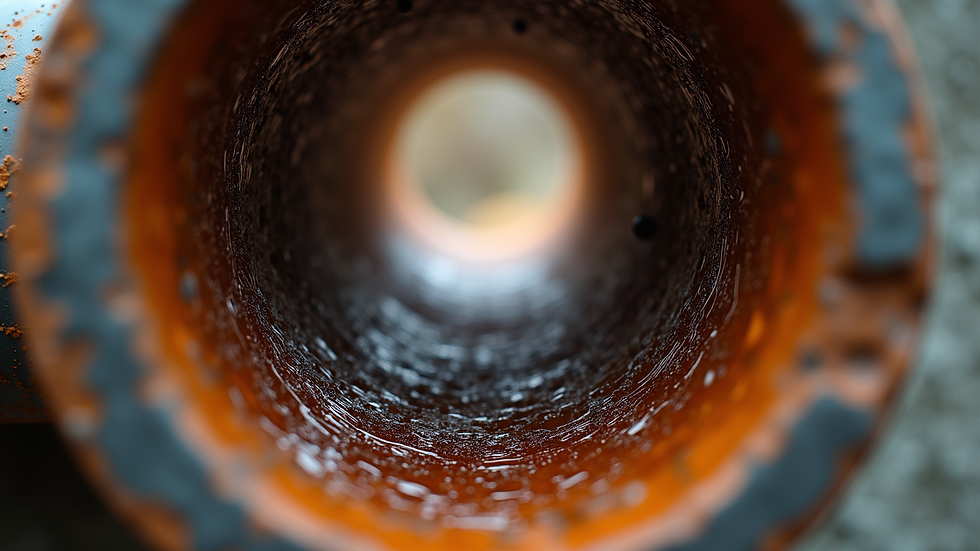
Appearance: White film that may later turn rusty or grey; often around sprinkler heads or leaf veins.
Cause: Dissolved iron or manganese oxidises on exposure to air, leaving mineral residues.
Test: Iron/manganese field kits or laboratory water analysis.
Fix:
Aeration followed by filtration or treatment with sequestrants like BoreSaver Ultra C (biodegradable and NSF-certified).
Keep irrigation systems clean to prevent clogging.
4. Chemical Precipitation (High pH Water)
Appearance: Milky or chalky spots when water dries.
Cause: High-pH bore water (>8) causes calcium carbonate to precipitate.
Fix:
Test water pH.
If high, dose with a mild acid (citric or phosphoric) to bring it down near 6.5–7.0.
5. Low Plant Uptake or Residue Build-up
If the white film doesn’t harm plants, it might just be superficial mineral residue.
Continue monitoring — if growth or leaf colour declines, arrange a water chemistry and soil EC test.


Comments