
Why Treating Bore Stains Matters for Your System
- David Bennett
- Jun 8
- 3 min read

Bore water is a vital resource for many households and industries, especially in regions like Perth, Sydney, and Melbourne. However, one common issue that arises with bore water use is the appearance of unsightly stains. These bore stains can affect everything from plumbing fixtures to irrigation systems, causing both aesthetic and functional problems. In my experience working with groundwater management and bore systems, I have seen firsthand how important it is to address these stains promptly and effectively.
Understanding the Impact of Treating Bore Stains
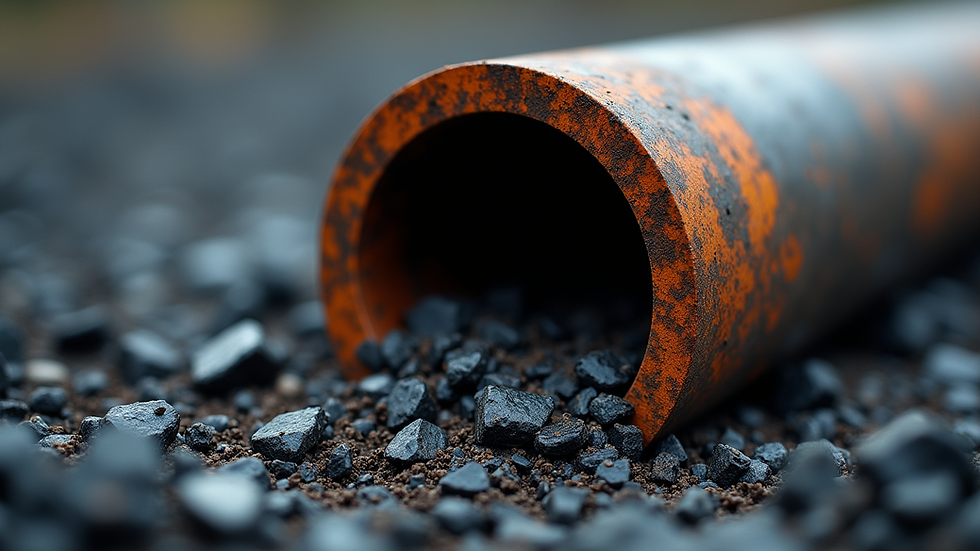
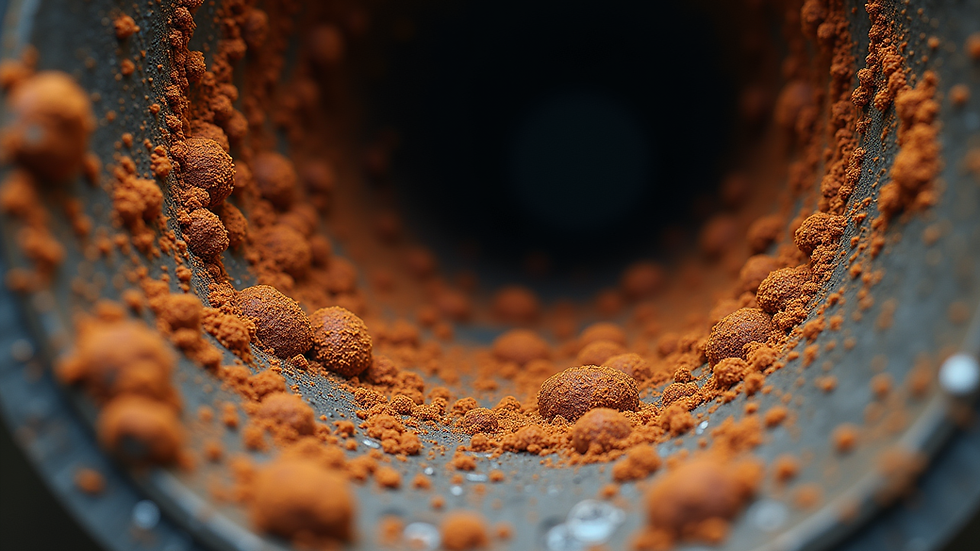
Treating bore stains is not just about improving the look of your system; it’s about maintaining its efficiency and longevity. Bore water often contains minerals such as iron, manganese, and other compounds that cause staining. When these minerals oxidise, they leave behind reddish-brown or black marks on surfaces like pipes, taps, and irrigation equipment.
Ignoring these stains can lead to:
Clogged pipes and filters: Mineral deposits build up and restrict water flow.
Reduced system efficiency: Blockages cause pumps and filters to work harder.
Corrosion and damage: Stains can indicate underlying corrosion issues.
Unpleasant aesthetics: Stains on fixtures and surfaces reduce property value and appeal.
By treating bore stains early, you prevent these problems from escalating, saving time and money on repairs and replacements.
Best Practices for Treating Bore Stains
When it comes to treating bore stains, a systematic approach is essential. Here are some practical steps I recommend:
Identify the type of stain: Iron and manganese are the most common culprits. Iron stains are typically reddish-brown, while manganese stains appear black.
Use appropriate cleaning agents: Acid-based cleaners or specialised bore stain removers work best. For example, a bore stain remover designed specifically for these minerals can dissolve deposits without damaging your system.
Regular maintenance: Schedule routine cleaning to prevent buildup. This includes flushing pipes and cleaning filters.
Water treatment options: Consider installing water softeners or filtration systems to reduce mineral content before it causes stains.
Protective coatings: Applying anti-corrosion coatings on metal parts can reduce staining and extend equipment life.
By following these steps, you can keep your bore system running smoothly and looking clean.
Does CLR Remove Bore Water Stains?
A common question I encounter is whether household products like CLR (Calcium, Lime, and Rust remover) can effectively remove bore water stains. CLR is a popular cleaner for removing mineral deposits, but its effectiveness on bore stains depends on the stain’s composition.
Iron stains: CLR can sometimes remove light iron stains but may struggle with heavy or older deposits.
Manganese stains: CLR is generally less effective on manganese stains, which require stronger or specialised treatments.
Surface compatibility: CLR is acidic and may damage certain materials if not used carefully.
For persistent or severe bore stains, I recommend using a product specifically formulated for bore water minerals. These products are designed to break down tough deposits without harming your system components.

Why Professional Treatment is Often Necessary
While DIY methods can work for minor stains, professional treatment is often the best choice for several reasons:
Expertise: Professionals can accurately diagnose the type of stain and recommend the most effective treatment.
Safety: Handling strong chemicals requires knowledge and protective equipment.
System integrity: Professionals ensure that cleaning does not damage pipes, pumps, or other components.
Long-term solutions: Experts can advise on water treatment systems to prevent future staining.
In my experience, investing in professional bore stain removal services pays off by preserving your system’s functionality and reducing ongoing maintenance costs.
Maintaining Your Bore System After Stain Removal
After successfully treating bore stains, ongoing maintenance is key to preventing recurrence. Here are some tips I always share:
Regular inspections: Check for early signs of staining or mineral buildup.
Routine cleaning: Flush your system periodically to remove sediments.
Water testing: Monitor mineral levels in your bore water to adjust treatment as needed.
Upgrade equipment: Consider corrosion-resistant materials for pipes and fittings.
Use appropriate cleaning products: Avoid harsh chemicals that can damage your system.
By staying proactive, you can enjoy clean, stain-free bore water systems that operate efficiently for years.
Treating bore stains is a critical part of maintaining any bore water system. From preventing costly damage to ensuring water quality, addressing these stains promptly and effectively protects your investment. Whether you choose to tackle the problem yourself or seek professional help, understanding the causes and solutions is the first step toward a cleaner, more reliable bore system.


Comments